





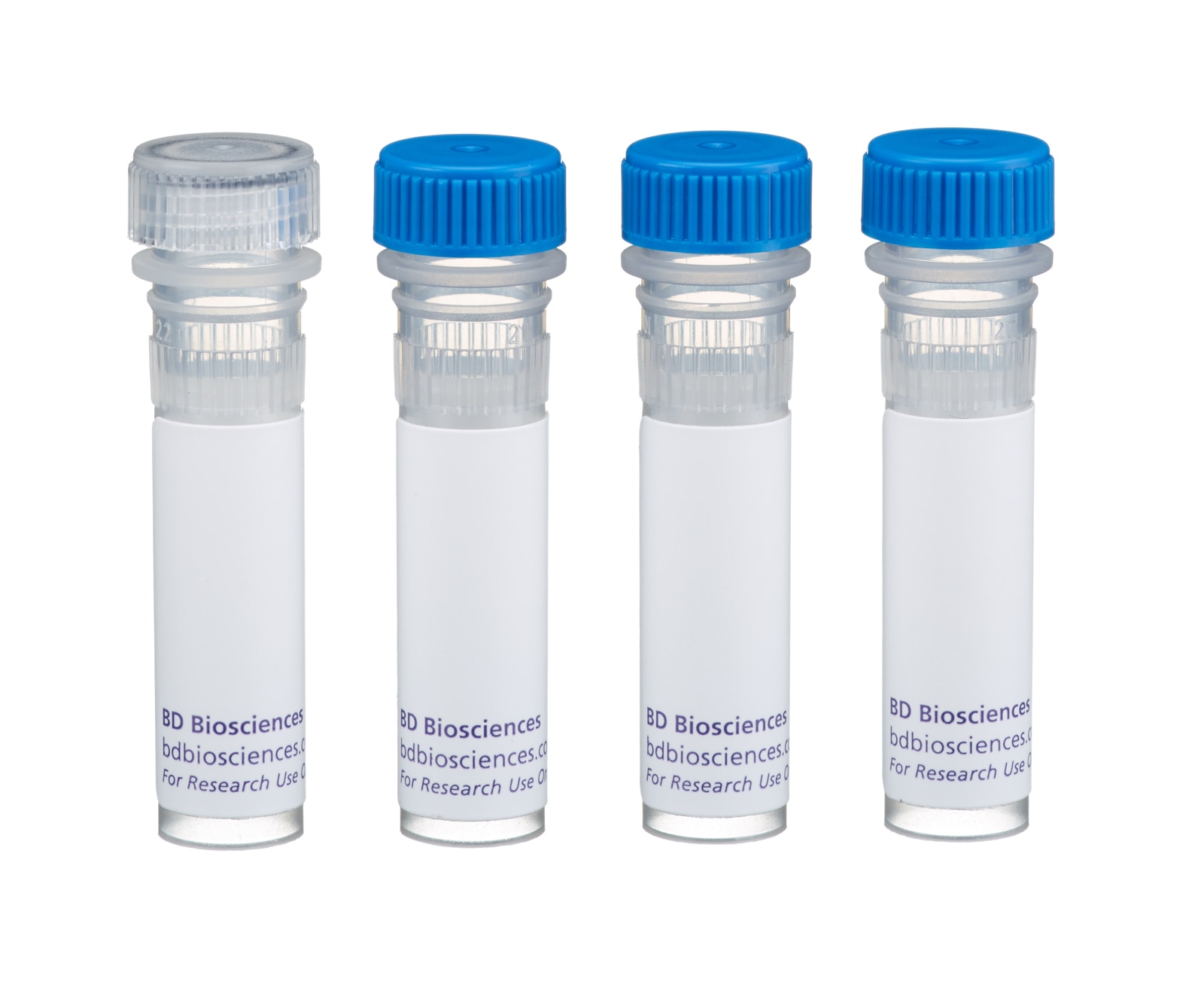
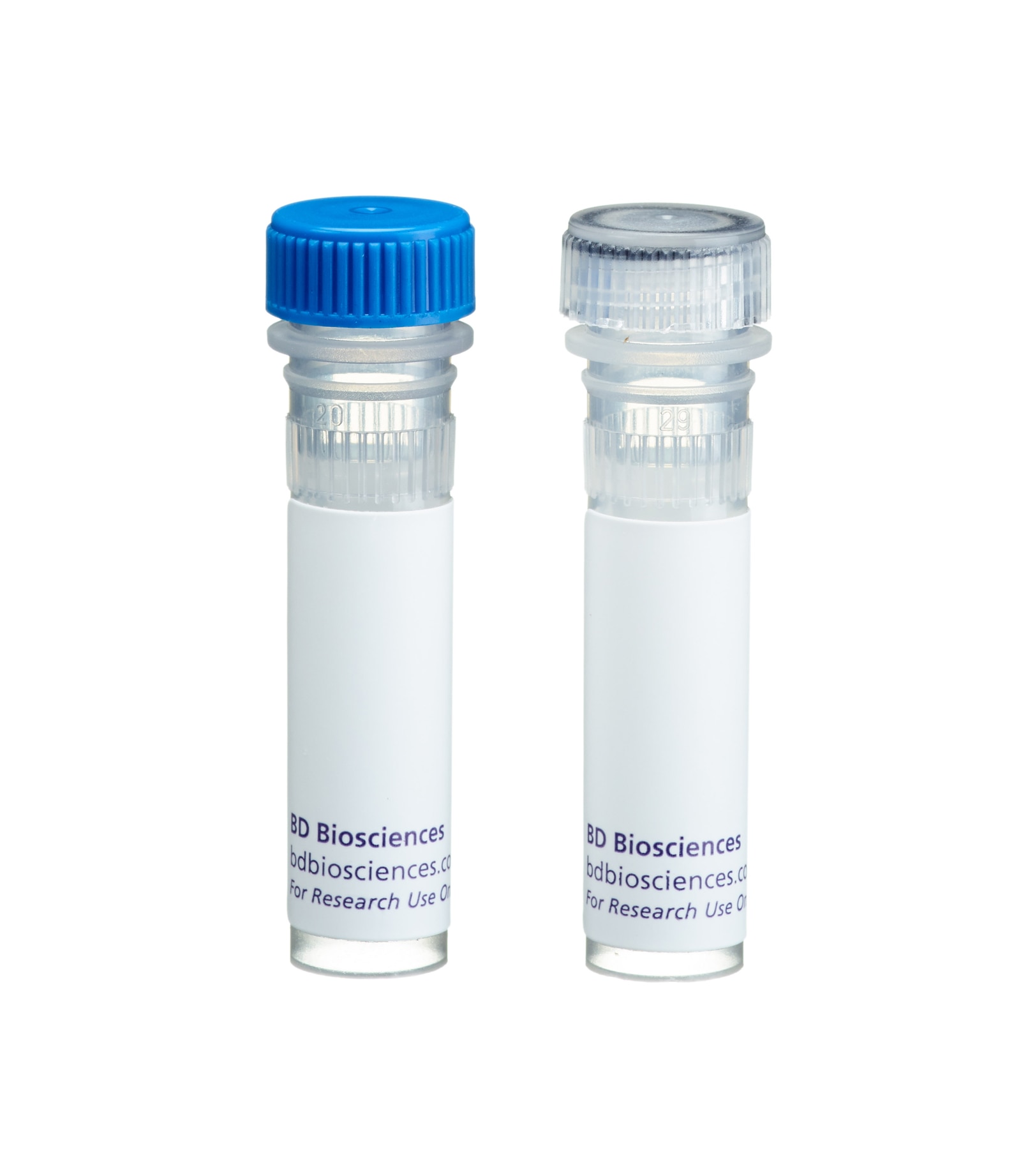
BD Pharmingen™ Purified Mouse Anti-Human RIP with Control


Western blot analysis of RIP. Lysate from Jurkat cells was probed with anti-RIP (clone G322-2, Comp. No. 51-6559GR) at concentrations of 0.5 (lane 1), 0.25 (lane 2), and 0.125 µg/ml (lane 3). RIP is identified as a band of 74 kDa.
Western blot analysis of RIP. Lysate from Jurkat cells was probed with anti-RIP (clone G322-2, Comp. No. 51-6559GR) at concentrations of 0.5 (lane 1), 0.25 (lane 2), and 0.125 µg/ml (lane 3). RIP is identified as a band of 74 kDa.


准备和存储


推荐的实验流程
Western blot: Please refer to http://www.bdbiosciences.com/pharmingen/protocols/Western_Blotting.shtml. Additional control lysate (Cat. No. 611451) is sold separately.
商品通知
- Since applications vary, each investigator should titrate the reagent to obtain optimal results.
- Please refer to www.bdbiosciences.com/us/s/resources for technical protocols.
- Caution: Sodium azide yields highly toxic hydrazoic acid under acidic conditions. Dilute azide compounds in running water before discarding to avoid accumulation of potentially explosive deposits in plumbing.
- Source of all serum proteins is from USDA inspected abattoirs located in the United States.
- Sodium azide is a reversible inhibitor of oxidative metabolism; therefore, antibody preparations containing this preservative agent must not be used in cell cultures nor injected into animals. Sodium azide may be removed by washing stained cells or plate-bound antibody or dialyzing soluble antibody in sodium azide-free buffer. Since endotoxin may also affect the results of functional studies, we recommend the NA/LE (No Azide/Low Endotoxin) antibody format, if available, for in vitro and in vivo use.
| 描述 | 数量/尺寸 | 零件号 | EntrezGene ID |
|---|---|---|---|
| N/A | 50.0 | N/A | N/A |
Please refer to Support Documents for Quality Certificates
Global - Refer to manufacturer's instructions for use and related User Manuals and Technical data sheets before using this products as described
Comparisons, where applicable, are made against older BD Technology, manual methods or are general performance claims. Comparisons are not made against non-BD technologies, unless otherwise noted.
For Research Use Only. Not for use in diagnostic or therapeutic procedures.