





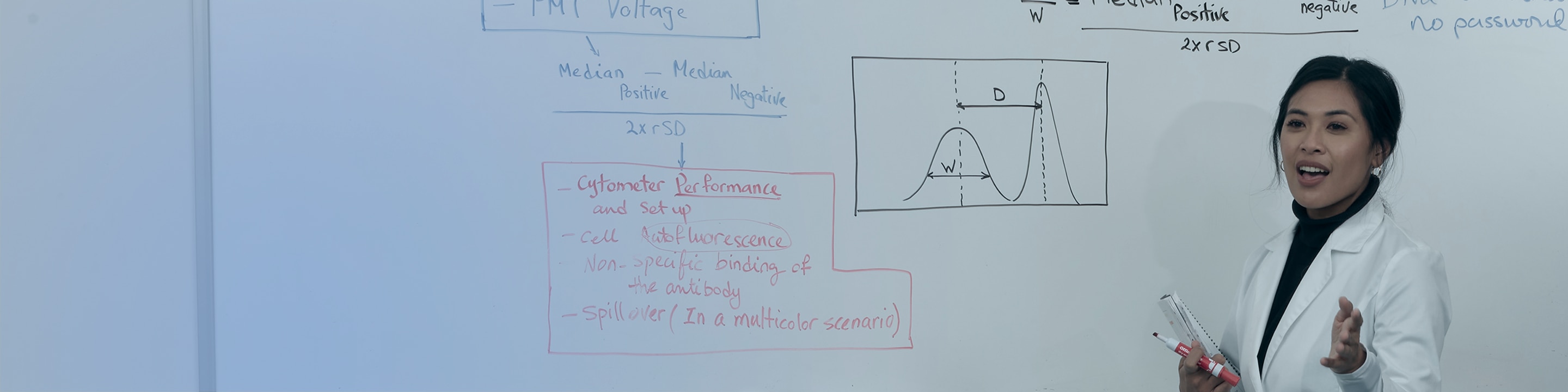
We have curated a list of additional introductory content that we think is helpful when learning about flow cytometry and applications. Each resource is grouped by content type.
Scientist to Scientist: Defining the Objective of Your Flow Cytometry Experiment
This video addresses the primary steps and information needed to begin the multicolor flow cytometry panel design process. (1:12 minutes)
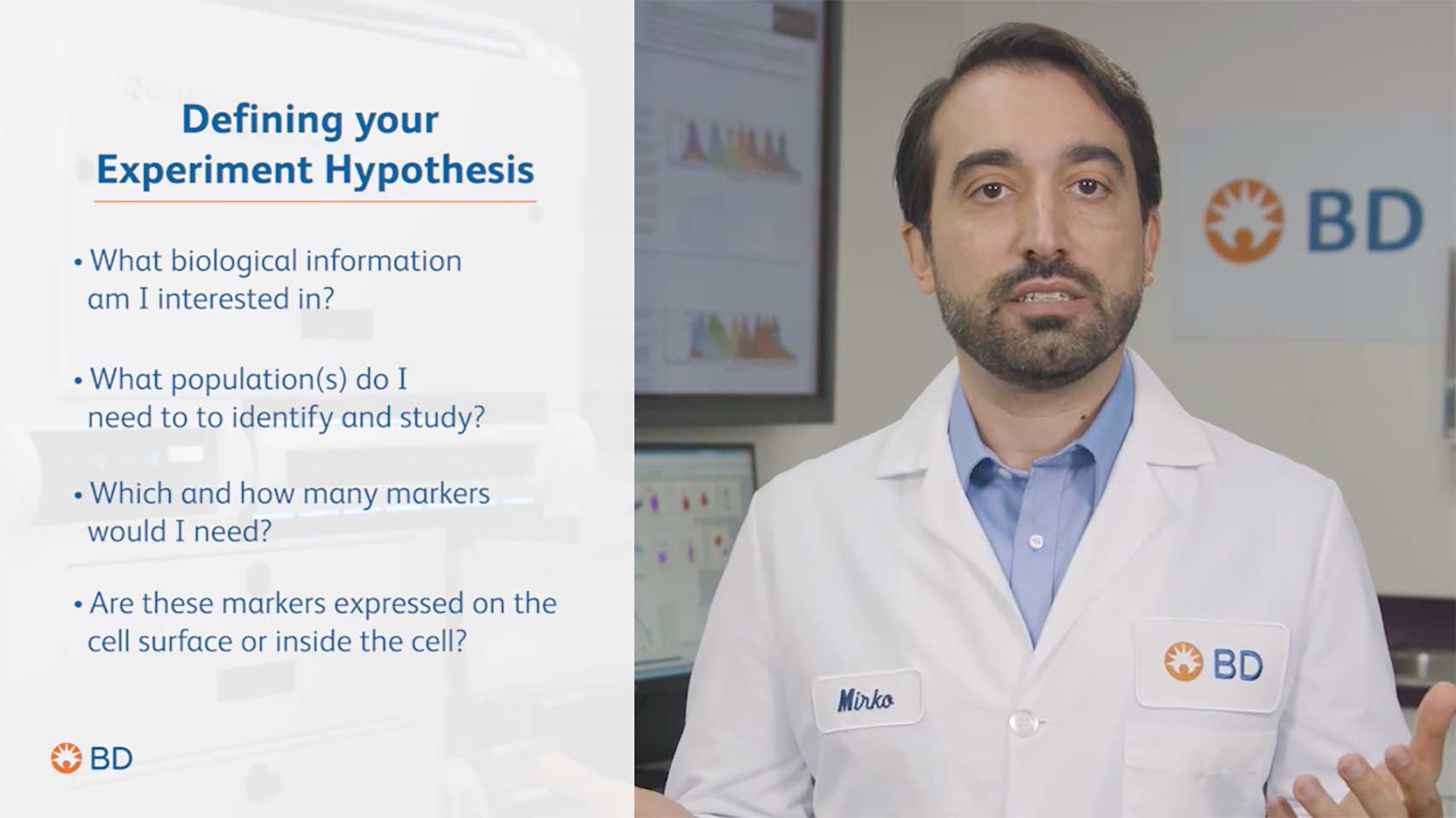


Scientist to Scientist: Knowing the Biology of Your Flow Cytometry Experiment
This video addresses the biological information needed to appropriately match markers and fluorochromes when designing a flow cytometry panel. (2:34 minutes)
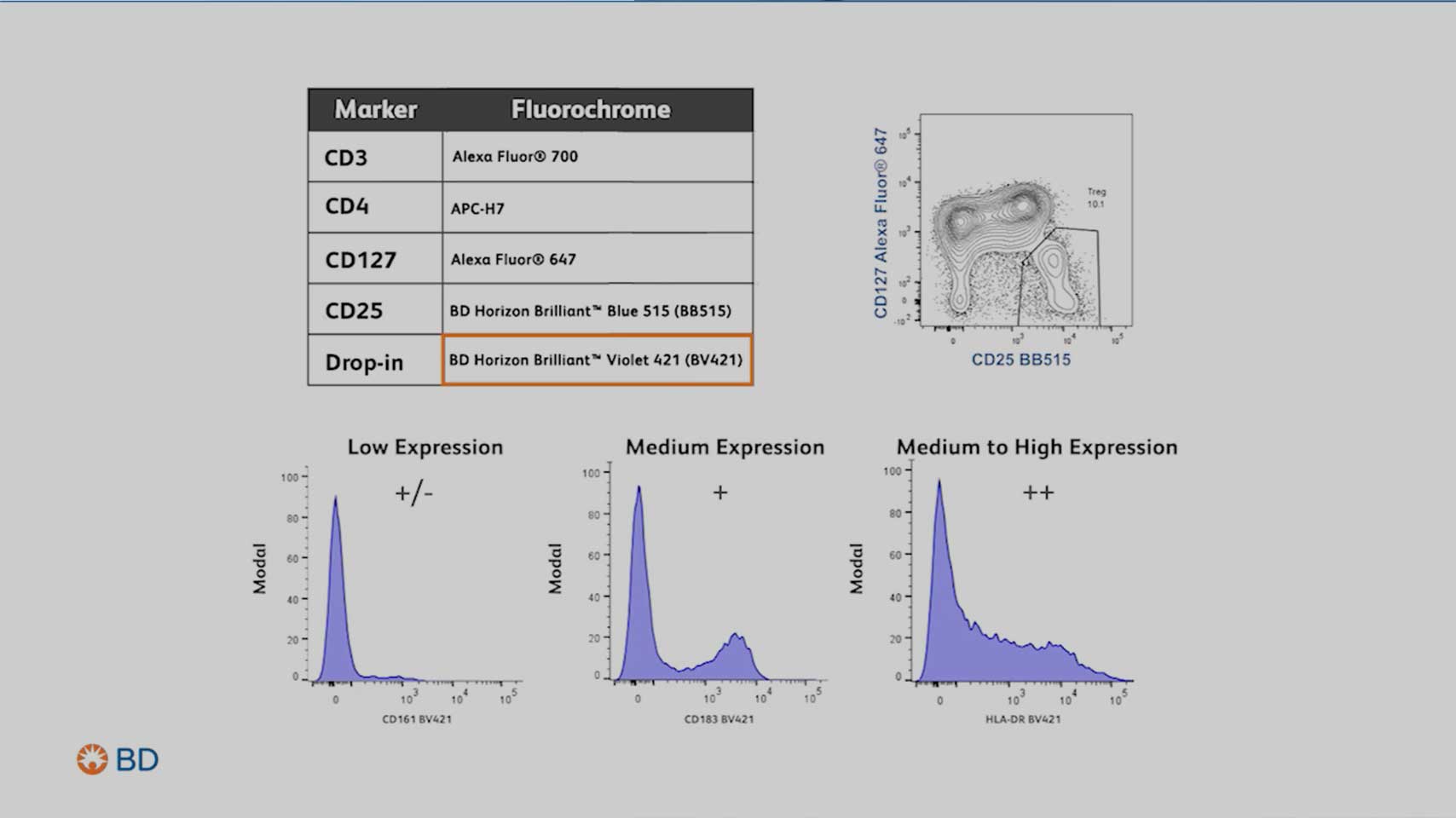
Scientist to Scientist: Cell Preparation for Flow Cytometry
This video provides useful cell preparation best practices to help ensure proper resolution of flow cytometry experiments. (5:10 minutes)
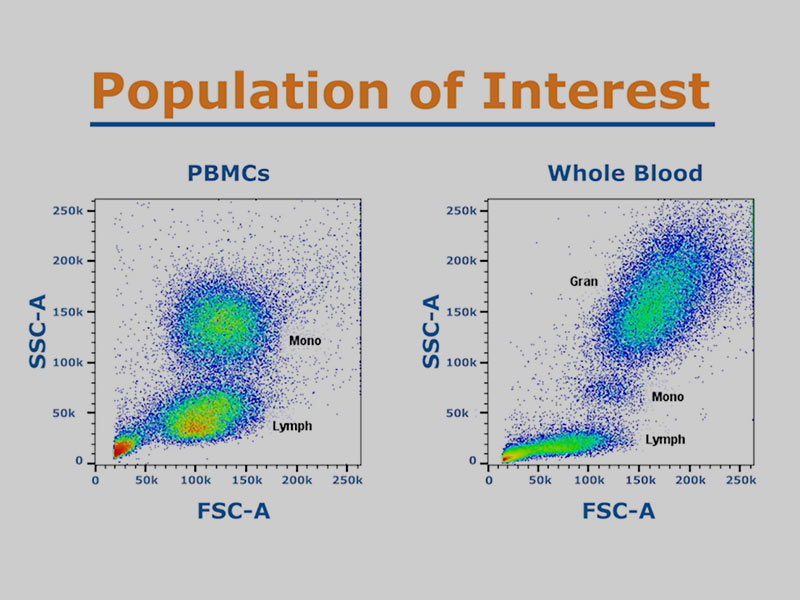
Scientist to Scientist: Choosing Proper Flow Cytometry Controls
This video provides practical strategies for choosing the right controls for a variety of flow cytometry experiments. (5:05 minutes)
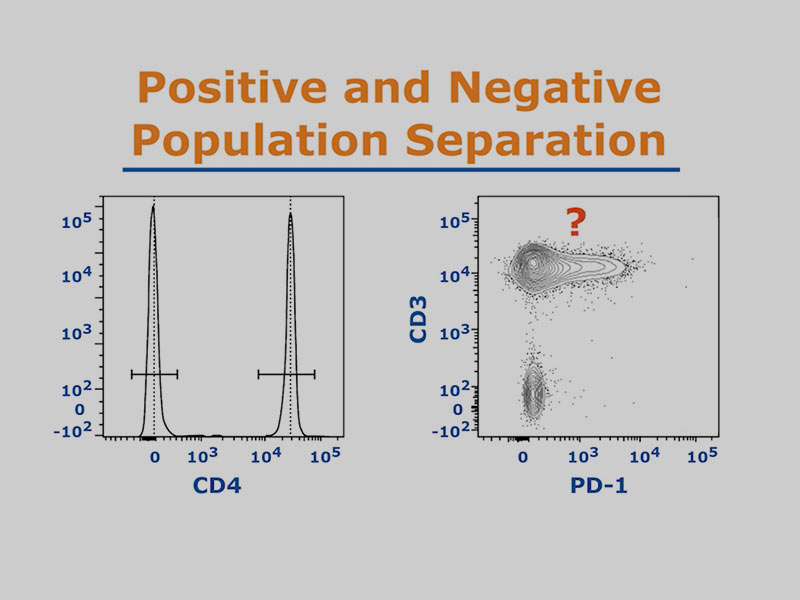
Scientist to Scientist: Practical Strategies for Intracellular Flow Cytometry
This video provides helpful tips and tricks for conducting intracellular flow cytometry. (4:51 minutes)
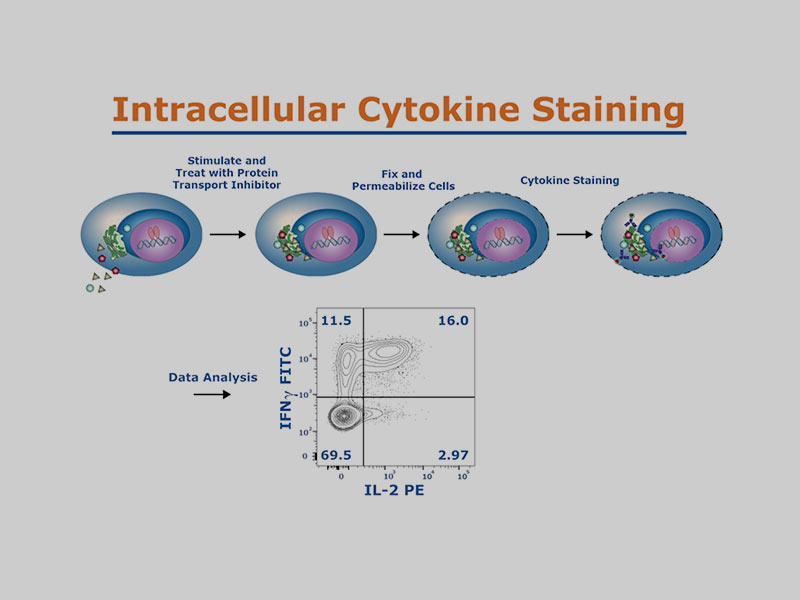
Cell Sorting Overview
Understanding the cell sorting process and ways to improve sort results. (3:54 minutes)
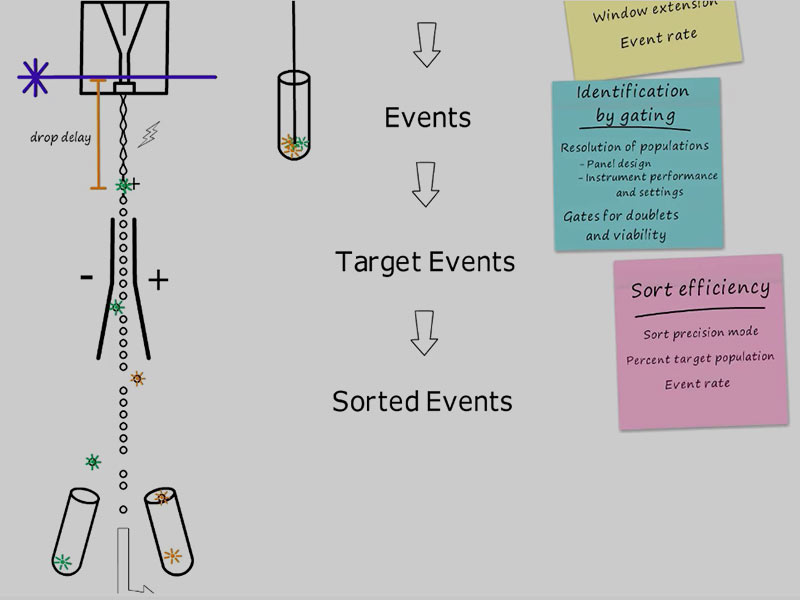
Documents
Flow cytometry workflow journey
This infographic guides you through the concepts to help ensure optimal resolution of your populations of interest.
Protocols
Staining Cells with a No-Lyse Protocol
Direct Immunofluorescence Staining of Mononuclear Cells
Explore the step-by-step process for staining mononuclear cells using fluorochrome-conjugated monoclonal antibodies specific for cell surface antigens.
Lyse/No-Wash Procedure
Direct Immunofluorescence Staining of Whole Blood Using a Lyse/No-Wash Procedure
Find procedures for whole blood specimen collection and preparation, including step-by-step instructions for lysing and staining. Use this method to detect cells bearing specific membrane antigens.
Research Use Only. Not for use in diagnostic or therapeutic procedures.