The site is undergoing maintenance on
Thursday, September 10, 9:00 pm through Friday, September 11, 9:00 pm (BRT), 2026.
If you encounter problems while ordering, please contact us at BDBCustomerService@bd.com
See More
The site is undergoing maintenance on
Thursday, September 10, 9:00 pm through Friday, September 11, 9:00 pm (BRT), 2026.
If you encounter problems while ordering, please contact us at BDBCustomerService@bd.com
See MoreThe site is undergoing maintenance on
Thursday, September 10, 9:00 pm through Friday, September 11, 9:00 pm (BRT), 2026
.If you encounter problems while ordering, please contact us at BDBCustomerService@bd.com
Looks like you're visiting us from {countryName}.
Would you like to stay on the current country site or be switched to your country?
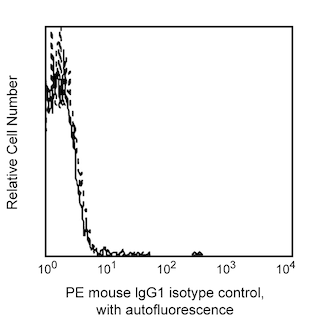
GM-CSF stimulated (3 days) peripheral blood mononuclear cells (gated on large cell population) analyzed on a FACScan (BDIS, San Jose, CA)
Any use of products other than the permitted use without the express written authorization of Becton, Dickinson and Company is strictly prohibited.
The 19.2 monoclonal antibody specifically binds to CD206 which is also known as the macrophage mannose receptor (MMR) or C-type lectin domain family 13 member D (CLEC13D). CD206 is a type I transmembrane glycoprotein of approximately 162 kDa which binds to glycoconjugates containing mannose, fucose, or N-acetylglucosamine. These carbohydrates are present on the surface of many microorganisms and enable the macrophage to bind to microorganisms through the MMR and internalize them during the process of phagocytosis. CD206 is expressed on human macrophages, endothelial cells, and cultured dendritic cells. It is not detected on resting monocytes. Mannose receptor expression is upregulated on peripheral blood mononuclear cells following 3 day incubation with GM-CSF.
Please refer to Support Documents for Quality Certificates
Global - Refer to manufacturer's instructions for use and related User Manuals and Technical data sheets before using this products as described
Comparisons, where applicable, are made against older BD Technology, manual methods or are general performance claims. Comparisons are not made against non-BD technologies, unless otherwise noted.
For Research Use Only. Not for use in diagnostic or therapeutic procedures.