




Preparation And Storage


Recommended Assay Procedures
Put all BD® AbSeq Reagents to be pooled into a Latch Rack for 500 µL Tubes (Thermo Fisher Scientific Cat. No. 4900). Arrange the tubes so that they can be easily uncapped and re-capped with an 8-Channel Screw Cap Tube Capper (Thermo Fisher Scientific Cat. No. 4105MAT) and the reagents aliquoted with a multi-channel pipette.
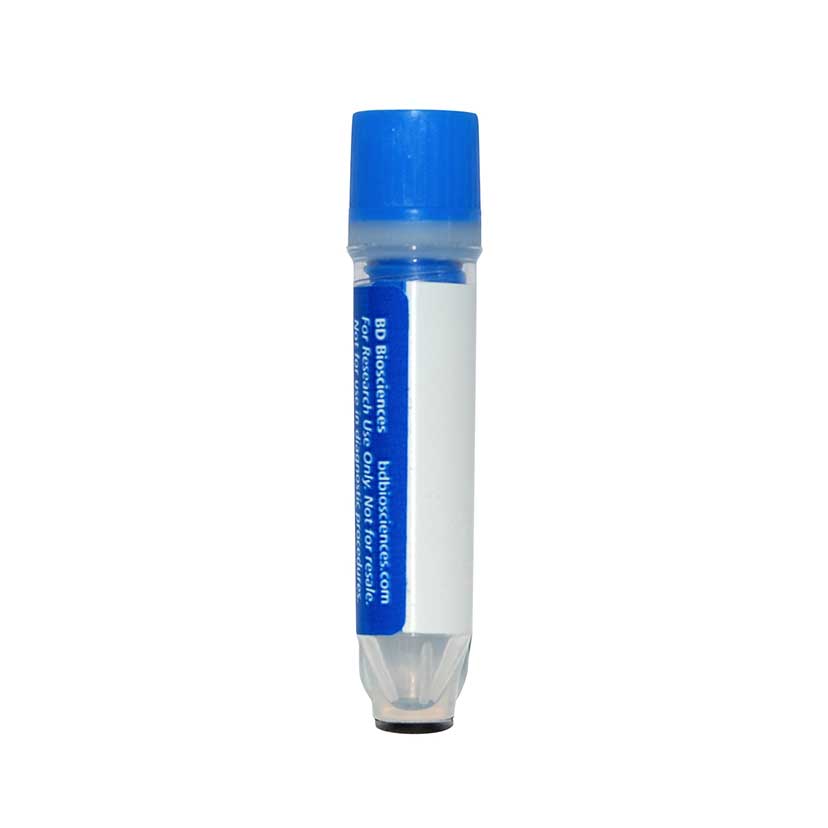
BD® AbSeq tubes should be centrifuged for ≥ 30 seconds at 400 × g to ensure removal of any content in the cap/tube threads prior to the first opening.
Product Notices
- Source of all serum proteins is from USDA inspected abattoirs located in the United States.
- Caution: Sodium azide yields highly toxic hydrazoic acid under acidic conditions. Dilute azide compounds in running water before discarding to avoid accumulation of potentially explosive deposits in plumbing.
- The production process underwent stringent testing and validation to assure that it generates a high-quality conjugate with consistent performance and specific binding activity. However, verification testing has not been performed on all conjugate lots.
- Illumina is a trademark of Illumina, Inc.
- Please refer to bd.com/genomics-resources for technical protocols.
- This reagent has been pre-diluted for use at the recommended volume per test. Typical use is 2 µl for 1 × 10^6 cells in a 200-µl staining reaction.
- Please refer to http://regdocs.bd.com to access safety data sheets (SDS).
- For U.S. patents that may apply, see bd.com/patents.
Companion Products



The TR23 monoclonal antibody specifically binds to CD281, which is also known as Toll-like receptor 1 (TLR1), or Toll/interleukin-1 receptor-like protein (TIL). CD281 is an ~98 kDa type I transmembrane glycoprotein that belongs to the Toll-like receptor (TLR) family. CD281 functions as a pattern recognition receptor (PRR) for pathogen-associated molecular patterns (PAMP) that are broadly expressed by microbial pathogens and plays essential roles in innate and adaptive immunity. In the process of binding microbial ligands, such as triacylated microbial lipopeptides, TLR1 associates with CD282 (TLR2). CD281 is expressed on B cells, monocytes/macrophages, and dendritic cells. CD281/TLR1-deficient mice display impaired production of inflammatory cytokines in response to microbial ligands.

No Citations Are Available for this Product
Please refer to Support Documents for Quality Certificates
Global - Refer to manufacturer's instructions for use and related User Manuals and Technical data sheets before using this products as described
Comparisons, where applicable, are made against older BD Technology, manual methods or are general performance claims. Comparisons are not made against non-BD technologies, unless otherwise noted.
For Research Use Only. Not for use in diagnostic or therapeutic procedures.