





Cluster of differentiation (CD44) is a widely used research marker with multiple isoforms that vary meaningfully across cell types and disease states. Selecting the right CD44 antibody for flow cytometry depends on which CD44 isoform is relevant to your research.
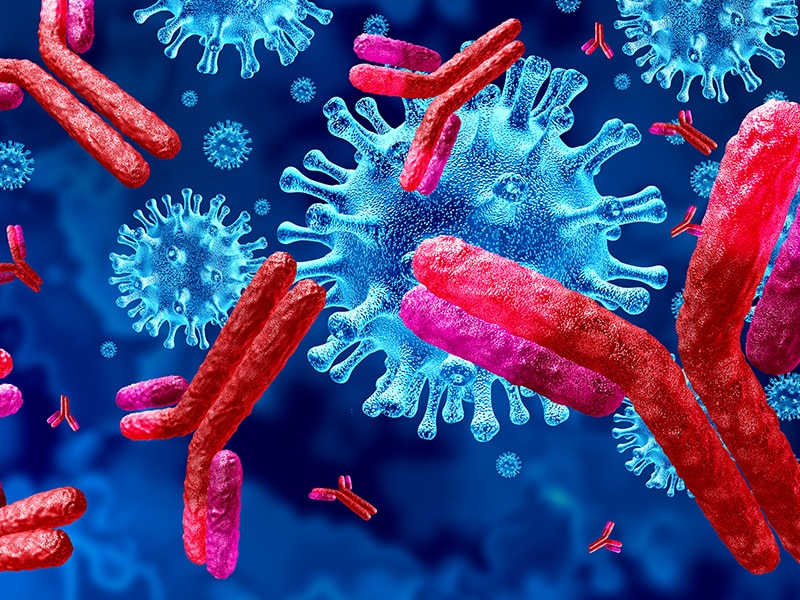
Immunology & Inflammation
Use pan-CD44 antibodies for a comprehensive assessment of immune cell maturation and activation states in different leukocytes.
Recommended clones:
L178, G44-26, 515
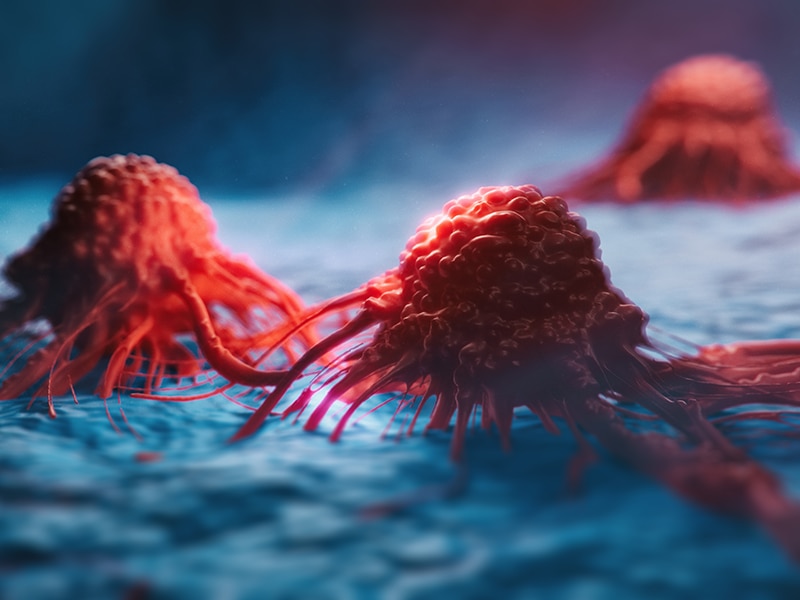
Cancer Biology & Translational Research
Use C44Mab-6.rMAb to detect CD44v3 in cancer stem cell research, C44Mab-9.rMAb to detect CD44v6, and pan-CD44 antibodies for broad EV profiling.
Recommended clones:
L178, G44-26, 515, C44Mab-6.rMAb, C44Mab-9.rMAb
Leukemia & Lymphoma
Use clone L178 for its broad CD detection, HLDA/HCDM recognition, and alignment with standardized oncohematology workflows.
Recommended clones:
L178
Obesity & Metabolic Disease Research
Most immunology, inflammation, fibrosis, and metabolic studies examine overall CD44 expression rather than individual splice variants.
Recommended clones:
L178, G44-26, 515
View the CD44 Clone Comparison Table
| Clone | Specificity | CD44s | CD44v3 | CD44v6 |
| L178* | Pan-CD44** | Y | Y | Y |
| G44-26** | Pan-CD44** | Y | Y | Y |
| 515*** | Pan-CD44** | Y | Y | Y |
| C44Mab-6.rMAb | CD44v3-Specific | N | Y | N |
| C44Mab-9.rMAb | CD44v6-Specific | N | N | Y |
* Independently validated by HLDA/HCDM and EuroFlow.
** Pan-CD44 antibodies recognize standard CD44 and multiple variant-containing isoforms.
*** Independently validated by HLDA/HCDM
Why CD44 Isoforms Matter
Not all CD44 antibodies detect the same biology. Because the CD44 gene undergoes extensive alternative splicing, it has many biologically distinct isoforms1,2:
CD44s (Standard CD44)
- Expression: Broadly expressed across immune and non-immune cells
- Biological role: Cell activation, maturation, and differentiation
- Research application: Commonly used for general immunophenotyping
CD44v3
- Expression: Activated fibroblasts, epithelial cells, endothelial cells, T cells, monocytes, macrophages, tumor cells
- Biological role: Associated with growth-factor signaling
- Research application: Studying tumor initiation, progression, and metastasis
CD44v6
- Expression: Epithelial cells, monocytes, macrophages, dendritic cells, Langerhans cells, certain tumor cells, cancer stem cells
- Biological role: Associated with growth-factor signaling
- Research application: Studying tumor initiation, progression, and metastasis
Selecting the appropriate antibody clone helps ensure that your flow cytometry panel measures the biology most relevant to your research question.
Why Choose Our CD44 Antibodies?
We offer a wide range of CD44 antibodies for discovery and translational research workflow.
- Pan-CD44 and isoform-specific options
- HLDA/HCDM-validated clones available (L178 and G44-26)
- EuroFlow-validated clone available (L178)
- Compatible with high-parameter flow cytometry workflows
Build Your Flow Cytometry Panel
If you are using CD44 as part of a panel, these tools can help you build and optimize your panel.
-
This interactive tool helps you select and optimize fluorochrome and filter selection.
-

This step-by-step guide helps you through the whole process of panel design
Antibodies Frequently Used Alongside CD44
Since CD44 is widely expressed in different biological states, combining it with other markers helps define a precise cell population.
T Cell Activation and Immune Regulation
CBA, PhosFlow, IFN-γ, TNF, IL-4, IL-5, IL-6, IL-17, IL-1, CD3, CD4, CD8, CD25, CD69
T Cell Subset Identification and Memory Differentiation
CD3, CD4, CD8, CD27, CD62L, CD45RA, CD45RO, CD197/CCR7, CD25, CD127, CD185/CXCR5
B Cell Biology
CD19, CD20, CD27, IgD, IgM, CD24, CD38, CD138
Cancer Biology, EVs, and Epithelial Research
CD24, CD133, EpCAM
FAQs
- What is the difference between CD44s, CD44v3, and CD44v6?
These are isoforms of CD44. CD44s is the standard CD44 that's broadly expressed across cells. CD44v3 is associated with growth-factor signaling and is implicated in cancer. CD44v6 is frequently associated with invasion and metastasis.
- Which CD44 clone should I use for general immunophenotyping?A pan-CD44 clone can recognize standard CD44 and multiple variant-containing isoforms. These include L178, G44-26, and 515.
- Which CD44 clone is used in EuroFlow-standardized panels?
L178 has been included in the EuroFlow T-cell acute lymphoblastic leukemia (T-ALL) panel.3 L178 is used for broad detection of CD44 in the panel, as opposed to clones designed to detect specific CD44 isoforms.
- What does CD44 expression indicate in flow cytometry?
CD44 is found on many cell types and its expression typically indicates a cell state. CD44 expression can reflect cell activation, adhesion and differentiation, and it can also indicate specific features like drug resistance.4 It is best interpreted alongside other markers within the context of a specific tissue.
References
- Senbanjo LT and Chellaiah MA. CD44: A Multifunctional Cell Surface Adhesion Receptor Is a Regulator of Progression and Metastasis of Cancer Cells. Front Cell Dev Biol. 2017;5(18). doi: 10.3389/fcell.2017.00018
- Xu Y et al. CD44 and its implication in neoplastic diseases. MedComm (2020). 2024;5(6):e554. doi: 10.1002/mco2.554
- van Dongen JJM et al. EuroFlow antibody panels for standardized n-dimensional flow cytometric immunophenotyping of normal, reactive and malignant leukocytes. Leukemia. 2012;26(9):1908–1975. doi: 10.1038/leu.2012.120
- Ravindranath AK et al. CD44 promotes multi-drug resistance by protecting P-glycoprotein from FBXO21-mediated ubiquitination. Oncotarget. 2015;6(28):26308–26321. doi: 10.18632/oncotarget.4763
For Research Use Only. Not for use in diagnostic or therapeutic procedures. Not for resale.