-
Reagents
- Flow Cytometry Reagents
-
Western Blotting and Molecular Reagents
- Immunoassay Reagents
-
Single-Cell Multiomics Reagents
- BD® AbSeq Assay
- BD® Single-Cell Multiplexing Kit
- BD Rhapsody™ ATAC-Seq Assays
- BD Rhapsody™ Whole Transcriptome Analysis (WTA) Amplification Kit
- BD Rhapsody™ TCR/BCR Next Multiomic Assays
- BD Rhapsody™ Targeted mRNA Kits
- BD Rhapsody™ Accessory Kits
- BD Rhapsody™ TCR/BCR Profiling Assays for Human and Mouse
- BD® OMICS-One Protein Panels
-
Functional Assays
-
Microscopy and Imaging Reagents
-
Cell Preparation and Separation Reagents
Old Browser
Looks like you're visiting us from {countryName}.
Would you like to stay on the current location site or be switched to your location?
BD Pharmingen™ PE Rat Anti-Mouse CD355 (CRTAM)
Clone 11-5 (RUO)
Regulatory Status Legend
Any use of products other than the permitted use without the express written authorization of Becton, Dickinson and Company is strictly prohibited.
Preparation And Storage
Product Notices
- Since applications vary, each investigator should titrate the reagent to obtain optimal results.
- An isotype control should be used at the same concentration as the antibody of interest.
- Caution: Sodium azide yields highly toxic hydrazoic acid under acidic conditions. Dilute azide compounds in running water before discarding to avoid accumulation of potentially explosive deposits in plumbing.
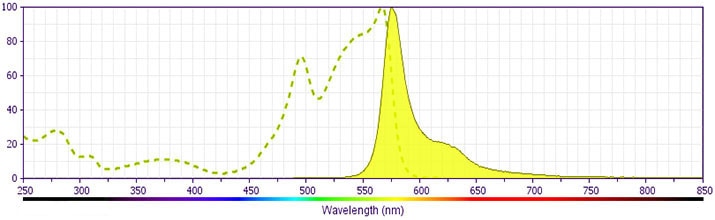
- For fluorochrome spectra and suitable instrument settings, please refer to our Multicolor Flow Cytometry web page at www.bdbiosciences.com/colors.
- Cy is a trademark of GE Healthcare.
- Please refer to http://regdocs.bd.com to access safety data sheets (SDS).
- Please refer to www.bdbiosciences.com/us/s/resources for technical protocols.
Companion Products
The 11-5 monoclonal antibody specifically recognizes MHC class I-restricted T cell-associated molecule (CRTAM) that is also known as CD355 or Cytotoxic and regulatory T-cell molecule. CD355 (CRTAM) is encoded by Crtam which belongs to the Nectin family of cell adhesion molecules within the immunoglobulin superfamily. This type I transmembrane glycoprotein contains a V-type Ig domain, followed by a C-type Ig domain, a transmembrane region, and an intracellular region that contains a PDZ-binding motif at the C terminus. CD355 (CRTAM) is transiently expressed as a homodimer on activated NK cells, NKT cells, γδ T cells, CD8+ T cells, or CD4+ T cells. Through its V-type Ig domain, CRTAM (CD355) binds to Nectin-like molecule 2 (Necl-2) and plays important roles in adhesive interactions between different cell types and in cellular migration.
Development References (5)
-
Arase N, Takeuchi A, Unno M, et al. Heterotypic interaction of CRTAM with Necl2 induces cell adhesion on activated NK cells and CD8+ T cells.. Int Immunol. 2005; 17(9):1227-37. (Immunogen: Flow cytometry). View Reference
-
Fuchs A, Colonna M. The role of NK cell recognition of nectin and nectin-like proteins in tumor immunosurveillance.. Semin Cancer Biol. 2006; 16(5):359-66. (Biology). View Reference
-
Kennedy J, Vicari AP, Saylor V, et al. A molecular analysis of NKT cells: identification of a class-I restricted T cell-associated molecule (CRTAM).. J Leukoc Biol. 2000; 67(5):725-34. (Biology). View Reference
-
Takeuchi A, Badr Mel S, Miyauchi K, et al. CRTAM determines the CD4+ cytotoxic T lymphocyte lineage.. J Exp Med. 2016; 213(1):123-38. (Clone-specific: Flow cytometry). View Reference
-
Takeuchi A, Itoh Y, Takumi A, et al. CRTAM confers late-stage activation of CD8+ T cells to regulate retention within lymph node.. J Immunol. 2009; 183(7):4220-8. (Biology). View Reference
Please refer to Support Documents for Quality Certificates
Global - Refer to manufacturer's instructions for use and related User Manuals and Technical data sheets before using this products as described
Comparisons, where applicable, are made against older BD Technology, manual methods or are general performance claims. Comparisons are not made against non-BD technologies, unless otherwise noted.
For Research Use Only. Not for use in diagnostic or therapeutic procedures.