





.png)


Preparation And Storage


Recommended Assay Procedures
BD® CompBeads can be used as surrogates to assess fluorescence spillover (Compensation). When fluorochrome conjugated antibodies are bound to BD® CompBeads, they have spectral properties very similar to cells. However, for some fluorochromes there can be small differences in spectral emissions compared to cells, resulting in spillover values that differ when compared to biological controls. It is strongly recommended that when using a reagent for the first time, users compare the spillover on cells and BD CompBeads to ensure that BD® CompBeads are appropriate for your specific cellular application.
Product Notices
- Please refer to www.bdbiosciences.com/us/s/resources for technical protocols.
- Source of all serum proteins is from USDA inspected abattoirs located in the United States.
- Caution: Sodium azide yields highly toxic hydrazoic acid under acidic conditions. Dilute azide compounds in running water before discarding to avoid accumulation of potentially explosive deposits in plumbing.
- This reagent has been pre-diluted for use at the recommended Volume per Test. We typically use 1 × 10^6 cells in a 100-µl experimental sample (a test).
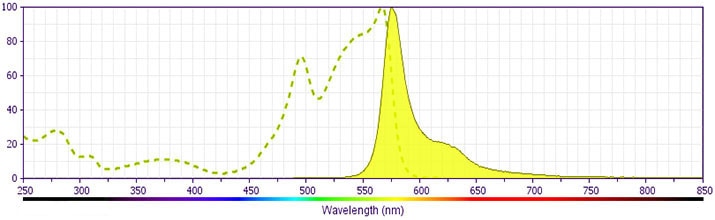
- For fluorochrome spectra and suitable instrument settings, please refer to our Multicolor Flow Cytometry web page at www.bdbiosciences.com/colors.
- An isotype control should be used at the same concentration as the antibody of interest.
- Please refer to http://regdocs.bd.com to access safety data sheets (SDS).
Companion Products
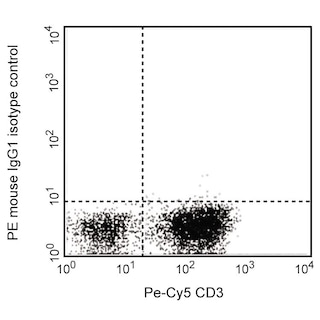
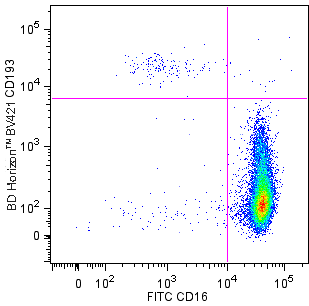
The 2D7 monoclonal antibody selectively recognizes human basophils, Basophils (2D7). The antibody binds to a ~7.2 to 7.5 kDa basophil-specific protein, also known as the 2D7 antigen or ligand, present in secretory granules which has not been conclusively identified. Basophils normally comprise a relatively small percentage (<1%) of total peripheral blood leucocytes. Basophils express high levels of FceRI, a high affinity receptor for IgE. Upon activation through crosslinking of FceRI, basophils degranulate and may thus show reduced staining with the 2D7 antibody due to the release or destruction of the 2D7 antigen. The activated basophils release proinflammatory mediators that can either counter parasitic infections or lead to acute or chronic allergic diseases, including anaphylaxis, asthma, and atopic dermatitis. Activated basophils release a variety of mediators including the vasodilator histamine, proteolytic enzymes, and several cytokines which promote inflammation as well as heparin which prevents blood clotting. The 2D7 monoclonal antibody is useful for identifying human basophils since it does not recognize lymphocytes, monocytes, eosinophils, neutrophils, or mast cells.
Development References (6)
-
Agis H, Krauth MT, Mosberger I, et al. Enumeration and immunohistochemical characterisation of bone marrow basophils in myeloproliferative disorders using the basophil specific monoclonal antibody 2D7. J Clin Pathol. 2006; 59(4):396-402. (Clone-specific: Immunohistochemistry). View Reference
-
Foster B, Schwartz LB, Devouassoux G, Metcalfe DD, Prussin C. Characterization of mast-cell tryptase-expressing peripheral blood cells as basophils. J Allergy Clin Immunol. 2002; 109(2):287-293. (Clone-specific: Flow cytometry). View Reference
-
Horny HP, Sotlar K, Stellmacher F, et al. The tryptase positive compact round cell infiltrate of the bone marrow (TROCI-BM): a novel histopathological finding requiring the application of lineage specific markers. J Clin Pathol. 2006; 59(3):298-302. (Clone-specific: Immunohistochemistry). View Reference
-
Karasuyama H, Obata K, Wada T, Tsujimura Y, Mukai K. Newly appreciated roles for basophils in allergy and protective immunity.. Allergy. 2011; 66(9):1133-41. (Clone-specific). View Reference
-
Kepley CL, Craig SS, Schwartz LB. Identification and partial characterization of a unique marker for human basophils.. J Immunol. 1995; 154(12):6548-55. (Immunogen: Electron microscopy, Immunocytochemistry, Western blot). View Reference
-
Plager DA, Weiss EA, Kephart GM, et al. Identification of basophils by a mAb directed against pro-major basic protein 1.. J Allergy Clin Immunol. 2006; 117(3):626-34. (Clone-specific: Immunofluorescence, Immunohistochemistry). View Reference
Please refer to Support Documents for Quality Certificates
Global - Refer to manufacturer's instructions for use and related User Manuals and Technical data sheets before using this products as described
Comparisons, where applicable, are made against older BD Technology, manual methods or are general performance claims. Comparisons are not made against non-BD technologies, unless otherwise noted.
For Research Use Only. Not for use in diagnostic or therapeutic procedures.
Refer to manufacturer's instructions for use and related User Manuals and Technical Data Sheets before using this product as described.
Comparisons, where applicable, are made against older BD technology, manual methods or are general performance claims. Comparisons are not made against non-BD technologies, unless otherwise noted.
