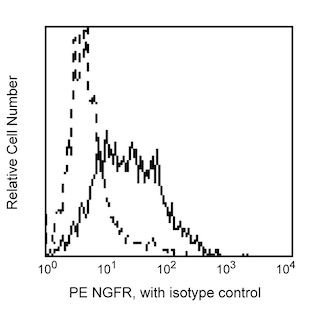
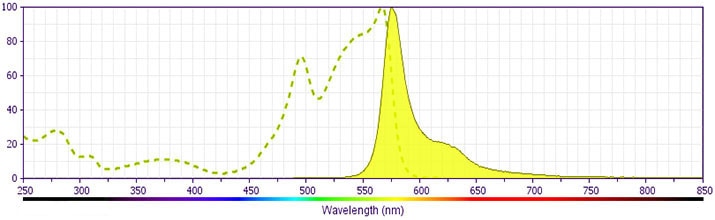
The C40-1457 monoclonal antibody specifically recognizes CD271 that is also known as the nerve growth factor receptor (NGFR). CD271 is 75 kDa type I transmembrane glycoprotein likewise known as TNFRSF16 that belongs to the tumor necrosis factor receptor (TNFR) superfamily. CD271 has been found localized to neuronal axons, Schwann cells, and perineural cells of peripheral nerves. It is also expressed by some epithelial, mesenchymal and lymphoid tissues. NGFR is the receptor for nerve growth factor (NGF), a polypeptide that is essential for normal development of the nervous system. NGF promotes survival and differentiation of sympathetic and sensory neurons during embryological development of the peripheral nervous system. NGF binds to two distinctive surface receptors, the p/140[prototrk] and p75[NGFR]. High affinity binding of NGF requires that both receptor molecules be expressed. NGFR is expressed on human and rat lymphocytes. A subset of lymphoid cells in the spleen, lymph nodes, and follicular dendritic cells in germinal centers of reactive lymph nodes were found to express CD271. It has been reported that NGFR interaction with its ligand, NGF, may play a role in immunoregulation. NGF may also function as a B-cell growth factor.