The TER-119 antibody specifically binds to a 52 kDa molecule associated with glycophorin A on cells of the erythroid lineage in embryonic yolk sac, fetal liver, newborn liver, adult bone marrow, adult peripheral blood, and adult lymphoid organs. The TER-119 antigen is expressed on erythroid cells from pro-erythroblast through mature erythrocyte stages, but not on cells with BFU-E or CFU-E activities. The TER-119 epitope is not detected on hematopoietic stem cells, lymphoid cells, myeloid cells, or erythroleukemia lines. The TER-119 mAb is a component of the "lineage cocktail" used in studies of hematopoietic progenitors to detect, or deplete cells committed to the hematopoietic lineages.
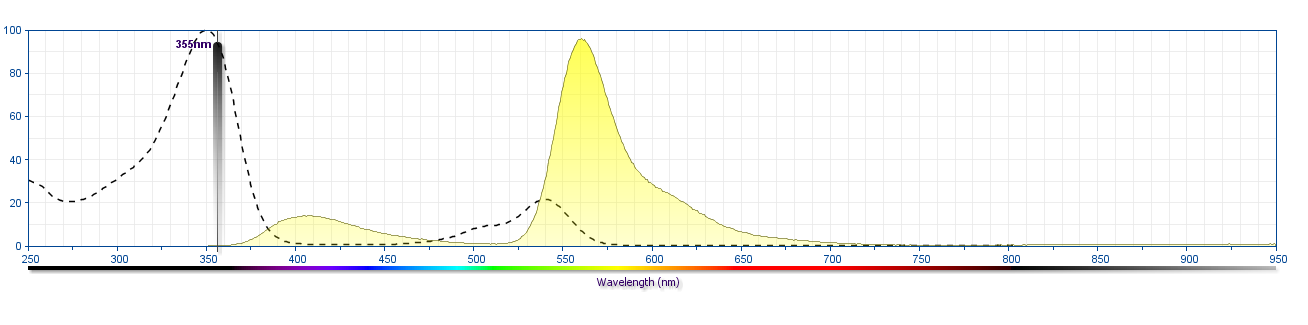
The antibody was conjugated to BD Horizon™ BUV563 which is part of the BD Horizon Brilliant™ Ultraviolet family of dyes. This dye is a tandem fluorochrome of BD Horizon BUV395 which has an Ex Max of 348 nm and an acceptor dye. The tandem has an Em Max at 563 nm. BD Horizon BUV563 can be excited by the 355 nm ultraviolet laser. On instruments with a 561 nm Yellow-Green laser, the recommended bandpass filter is 585/15 nm with a 535 nm long pass to minimize laser light leakage. When BD Horizon BUV563 is used with an instrument that does not have a 561 nm laser, a 560/40 nm filter with a 535 nm long pass may be more optimal. Due to the excitation and emission characteristics of the acceptor dye, there may be spillover into the PE and PE-CF594 detectors. However, the spillover can be corrected through compensation as with any other dye combination.