





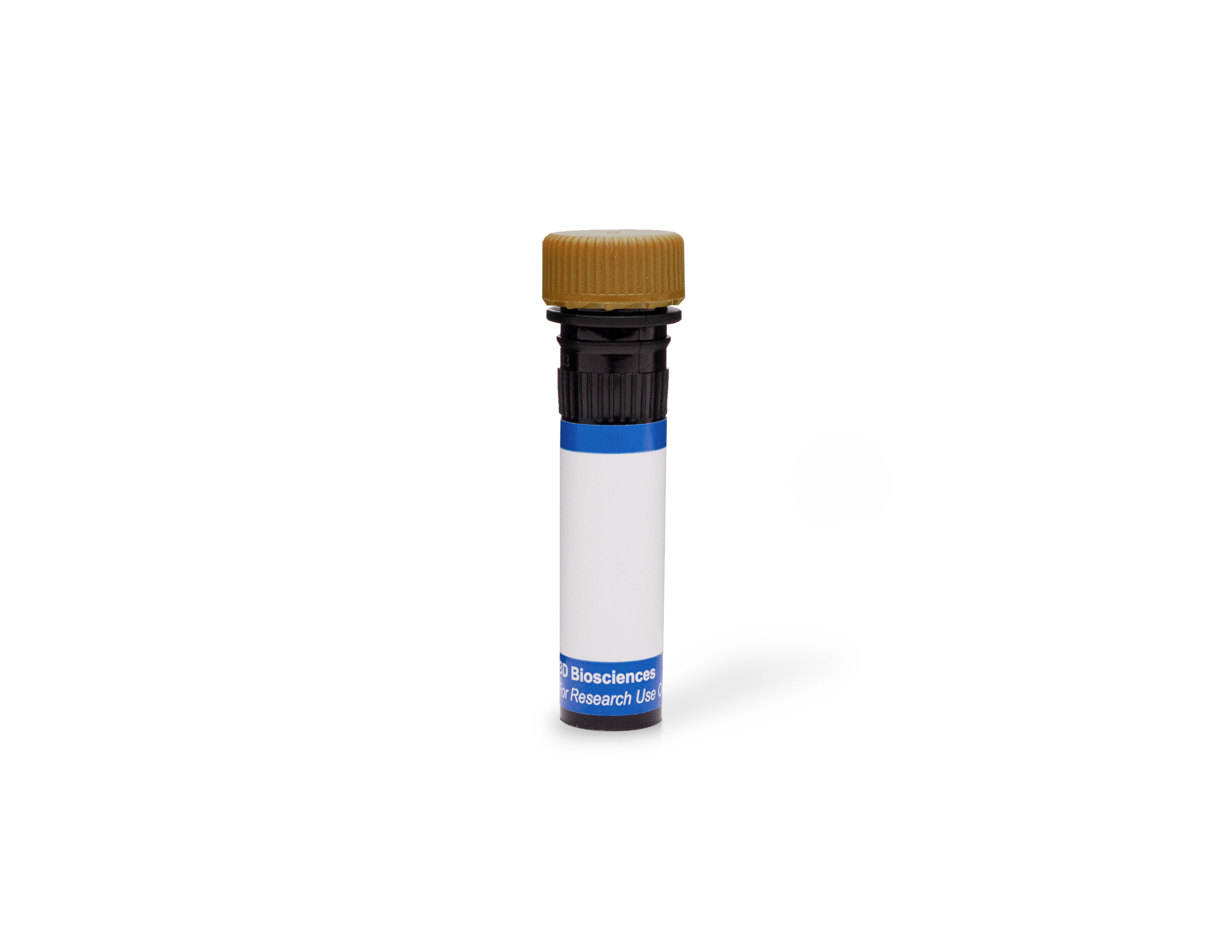


Preparation And Storage


Recommended Assay Procedures
BD™ CompBeads can be used as surrogates to assess fluorescence spillover (Compensation). When fluorochrome conjugated antibodies are bound to CompBeads, they have spectral properties very similar to cells. However, for some fluorochromes there can be small differences in spectral emissions compared to cells, resulting in spillover values that differ when compared to biological controls. It is strongly recommended that when using a reagent for the first time, users compare the spillover on cells and CompBead to ensure that BD Comp beads are appropriate for your specific cellular application.
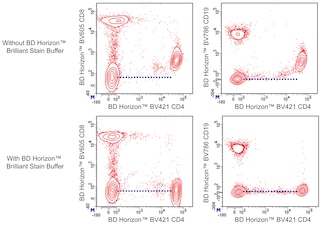
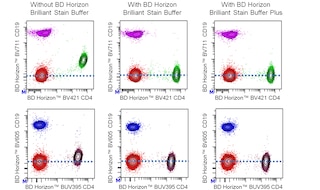
For optimal and reproducible results, BD Horizon Brilliant Stain Buffer should be used anytime two or more BD Horizon Brilliant dyes are used in the same experiment. Fluorescent dye interactions may cause staining artifacts which may affect data interpretation. The BD Horizon Brilliant Stain Buffer was designed to minimize these interactions. More information can be found in the Technical Data Sheet of the BD Horizon Brilliant Stain Buffer (Cat. No. 563794/566349) or the BD Horizon Brilliant Stain Buffer Plus (Cat. No. 566385).
For optimal results, it is recommended to perform two washes after staining with antibodies. Cells may be prepared, stained with antibodies and washed twice with wash buffer per established protocols for immunofluorescent staining prior to acquisition on a flow cytometer. Performing fewer than the recommended wash steps may lead to increased spread of the negative population.
Product Notices
- The production process underwent stringent testing and validation to assure that it generates a high-quality conjugate with consistent performance and specific binding activity. However, verification testing has not been performed on all conjugate lots.
- Researchers should determine the optimal concentration of this reagent for their individual applications.
- An isotype control should be used at the same concentration as the antibody of interest.
- Caution: Sodium azide yields highly toxic hydrazoic acid under acidic conditions. Dilute azide compounds in running water before discarding to avoid accumulation of potentially explosive deposits in plumbing.
- For fluorochrome spectra and suitable instrument settings, please refer to our Multicolor Flow Cytometry web page at www.bdbiosciences.com/colors.
- Please refer to www.bdbiosciences.com/us/s/resources for technical protocols.
- BD Horizon Brilliant Stain Buffer is covered by one or more of the following US patents: 8,110,673; 8,158,444; 8,575,303; 8,354,239.
- Please refer to http://regdocs.bd.com to access safety data sheets (SDS).
- BD Horizon Brilliant Blue 700 is covered by one or more of the following US patents: 8,455,613 and 8,575,303.
- Cy is a trademark of GE Healthcare.
Companion Products
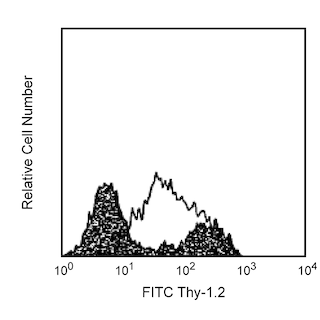
The Ab93 monoclonal antibody (aka, Antibody93) specifically recognizes a common epitope on the extracellular domains of mouse CD16 (Fc gamma RIII/FcγRIII encoded by Fcgr3) and CD32 (Fc gamma RIIB/FcγRIIB encoded by Fcgr2b). Therefore, Ab93 is referred to as an Anti-CD16/32 or Anti-FcgRII/III antibody. CD16 is variably expressed on neutrophils, macrophages, and natural killer (NK) cells whereas CD32 is expressed on B cells, monocytes, granulocytes, platelets and endothelial cells. CD16 and CD32 serve as low affinity receptors for IgG Fc constant regions and are involved in regulating various cellular functions including antibody-dependent cellular toxicity (ADCC), phagocytosis, effector cell degranulation, and B cell proliferation. In addition to identifying CD16- or CD32-positive cells, the Ab93 antibody is useful in phenotyping studies for blocking nonspecific staining due to Fc receptor-mediated binding of other antibodies. Ab93 is also useful in functional studies due to its Fc receptor blocking capability or by its capacity to crosslink Fc receptors leading to signal transduction that triggers cellular responses. Ab93 (Rat IgG2a, λ) and clone 2.4G2 (Rat IgG2b, κ), another mouse CD16/32-specific antibody, reportedly have similar specificities. The differences in the Ig heavy chain or Ig light chain isotypes of these CD16/32-specific antibodies afford flexibility in the design of experimental model systems involving other antibodies.
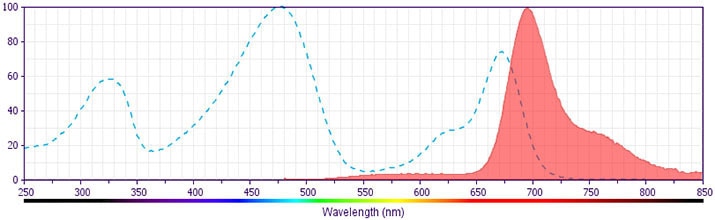
The antibody was conjugated to BD Horizon BB700, which is part of the BD Horizon Brilliant™ Blue family of dyes. It is a polymer-based tandem dye developed exclusively by BD Biosciences. With an excitation max of 485 nm and an emission max of 693 nm, BD Horizon BB700 can be excited by the 488 nm laser and detected in a standard PerCP-Cy™5.5 set (eg, 695/40-nm filter). This dye provides a much brighter alternative to PerCP-Cy5.5 with less cross laser excitation off the 405 nm and 355 nm lasers.
Development References (5)
-
Hirohashi T, Uehara S, Chase CM, et al. Complement independent antibody-mediated endarteritis and transplant arteriopathy in mice.. Am J Transplant. 2010; 10(3):510-7. (Clone-specific: Immunohistochemistry). View Reference
-
Honjo K, Kubagawa Y, Kubagawa H. Is Toso/IgM Fc receptor (FcμR) expressed by innate immune cells?. Proc Natl Acad Sci USA. 2013; 110(28):E2540-1. (Clone-specific: Blocking, Flow cytometry). View Reference
-
Nimmerjahn F, Ravetch JV. FcγRs in health and disease. Curr Top Microbiol Immunol. 2011; 350:105-125. (Biology). View Reference
-
Oliver AM, Grimaldi JC, Howard MC, Kearney JF. Independently ligating CD38 and Fc gammaRIIB relays a dominant negative signal to B cells.. Hybridoma. 1999; 18(2):113-9. (Immunogen: Blocking, Flow cytometry, Fluorescence microscopy, Functional assay, Immunofluorescence, Inhibition). View Reference
-
Torii I, Oka S, Hotomi M, et al. PIR-B-deficient mice are susceptible to Salmonella infection.. J Immunol. 2008; 181(6):4229-39. (Clone-specific: Blocking, Flow cytometry). View Reference
Please refer to Support Documents for Quality Certificates
Global - Refer to manufacturer's instructions for use and related User Manuals and Technical data sheets before using this products as described
Comparisons, where applicable, are made against older BD Technology, manual methods or are general performance claims. Comparisons are not made against non-BD technologies, unless otherwise noted.
For Research Use Only. Not for use in diagnostic or therapeutic procedures.
