





.png)


Preparation And Storage


Recommended Assay Procedures
BD® CompBeads can be used as surrogates to assess fluorescence spillover (Compensation). When fluorochrome conjugated antibodies are bound to BD® CompBeads, they have spectral properties very similar to cells. However, for some fluorochromes there can be small differences in spectral emissions compared to cells, resulting in spillover values that differ when compared to biological controls. It is strongly recommended that when using a reagent for the first time, users compare the spillover on cells and BD® CompBeads to ensure that BD® CompBeads are appropriate for your specific cellular application.
Product Notices
- This reagent has been pre-diluted for use at the recommended Volume per Test. We typically use 1 × 10^6 cells in a 100-µl experimental sample (a test).
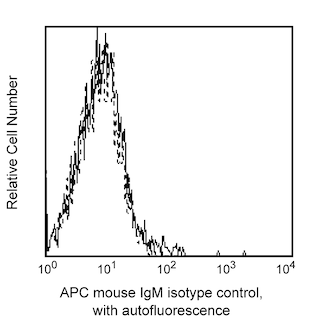
- An isotype control should be used at the same concentration as the antibody of interest.
- Source of all serum proteins is from USDA inspected abattoirs located in the United States.
- Caution: Sodium azide yields highly toxic hydrazoic acid under acidic conditions. Dilute azide compounds in running water before discarding to avoid accumulation of potentially explosive deposits in plumbing.
- Please refer to www.bdbiosciences.com/us/s/resources for technical protocols.
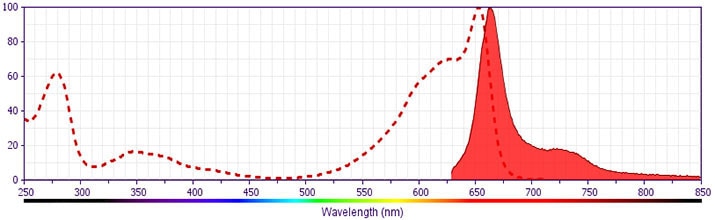
- This APC-conjugated reagent can be used in any flow cytometer equipped with a dye, HeNe, or red diode laser.
- For fluorochrome spectra and suitable instrument settings, please refer to our Multicolor Flow Cytometry web page at www.bdbiosciences.com/colors.
- Please refer to http://regdocs.bd.com to access safety data sheets (SDS).
The CB38 monoclonal antibody specifically binds to CD36. CD36 is a 88 kDa glycoprotein IV (GPIV), the receptor for extracellular matrix proteins such as collagen and thrombospondin. CD36 is known to mediate the adhesion of Plasmodium falciparum. CD36 antigen is expressed on monocytes, platelets, endothelial cells, and some human tumor cell lines but not on lymphocytes and granulocytes. It is a very early marker of erythroid differentiation. CD36 antibody induces degranulation, release of ATP and serotonin, increase in [Ca2+]ι, and tyrosine phosphorylation of a substrate protein of 130 kDa.
Development References (4)
-
Alessio M, Ghigo D, Garbarino G, Geuna M, Malavasi F. Analysis of the human CD36 leucocyte differentiation antigen by means of the monoclonal antibody NL07. Cell Immunol. 1991; 137(2):487-500. (Immunogen). View Reference
-
Alessio M, Greco NJ, Primo L, et al. Platelet activation and inhibition of malarial cytoadherence by the anti-CD36 IgM monoclonal antibody NL07. Blood. 1993; 82(12):3637-3647. (Biology). View Reference
-
Alessio M, Roggero S, Bussolino F, Saitta M, Malavasi F. Characterization of the murine monoclonal antibody NL07 specific for the human thrombospondin receptor (CD36 molecule). Curr Stud Hematol Blood Transfus. 1991; 58:182-186. (Biology). View Reference
-
Knapp W. W. Knapp .. et al., ed. Leucocyte typing IV : white cell differentiation antigens. Oxford New York: Oxford University Press; 1989:1-1182.
Please refer to Support Documents for Quality Certificates
Global - Refer to manufacturer's instructions for use and related User Manuals and Technical data sheets before using this products as described
Comparisons, where applicable, are made against older BD Technology, manual methods or are general performance claims. Comparisons are not made against non-BD technologies, unless otherwise noted.
For Research Use Only. Not for use in diagnostic or therapeutic procedures.
